Can Fire Damage Be Fully Restored?

Fire and smoke damage leaves behind charred walls, smoky smells, and potentially hazardous residue. Despite these issues, most fire-damaged properties can be fully restored.

A thorough assessment of the damage is essential to understanding your insurance coverage and maximizing your claim. A trusted restoration partner does more than rebuild walls; they create the documentation and technical scope that your insurer needs to settle a fair claim. Contact your local Utah Fire Damage Restoration Companies for more details.

What Can Be Saved?
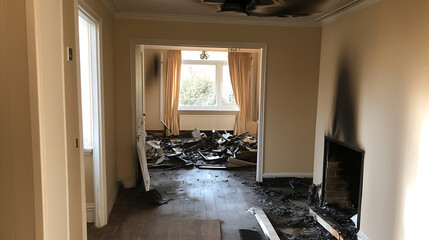
Fire Damage Restoration Companies

Fire damage may seem hopeless, but with the right recovery process, many belongings can be saved. The key is a timely response. The longer odors, soot, and water from firefighting efforts linger, the more extensive the damage becomes.

Professional restoration begins with a thorough assessment and inspection, checking structural integrity, water damage from firefighting, and the extent of smoke and soot residue. It also identifies safety risks such as compromised structural integrity, electrical hazards, and areas prone to mold growth.

The type of belongings salvageable depends on whether they came into direct contact with flames or ash, and how long the fire burned. Items with hard, non-porous surfaces like glass, metals, and wood often survive intact if they don’t experience direct exposure to heat or ash. Furniture and electronics that survived the fire may only need a deep cleaning to remove surface soot. Porous materials like paper, fabrics, and mattresses absorb smoke and soot and may require specialized cleaning or deodorization.

Acidic soot corrodes metals within hours, discoloring surfaces and leaving permanent stains. Water from firefighting efforts can saturate carpets and furnishings, leading to mold growth if left unaddressed. Electrical wires and components can short circuit or corrode from heat and exposure to soot and water.

Once the fire department clears the property and any investigation is completed, professionals can start cleaning, assessing repair costs, and rebuilding what was lost. They can also provide detailed assessments and scopes of work that insurers rely on, helping homeowners and business owners recover their loss. This information is vital to help property owners navigate the insurance claim process and ensure they receive the proper settlement they deserve.

Demolition

Once the fire is out and the emergency has passed, property owners must quickly stabilize their homes or commercial buildings, document all damage with photos, video and a detailed inventory, and choose the best course of action. It may take days for restoration professionals to arrive and begin the cleaning process, and extensive rebuilds could span weeks or even months. The duration of a fire restoration project depends on the level of damage, complexity of repairs, and size of affected areas.

Choosing the right team of fire restoration specialists is vital to a speedy recovery. Professionals should be state licensed to perform contracting work, carry liability and workers’ compensation insurance, and have years of experience handling fires. They should also be familiar with local building codes and follow industry-standard guidelines to ensure safety, thorough restoration, and fair handling of insurance claims.

While many items damaged by fire can be cleaned, a small number of them are beyond repair and must be removed and replaced. Expert demolition crews use powerful hydraulic equipment like elevated work platforms, cranes, bulldozers, and excavators to remove impacted structures safely and efficiently. They may also use rotational hydraulic shears or silenced rockbreakers to cut through concrete, steel, and masonry. They’ll also remove hazardous materials that need to be transported and disposed of properly, such as asbestos and lead-based paint.

For homeowners and business owners looking to hire a contractor for fire restoration, they can find a list of recommended firms from their insurers or local chambers of commerce. However, they should always vet potential contractors to verify their state licensing and insurance coverage, proven experience, and adherence to industry standards.

Cleaning

Fire damage restoration is a structured process that encompasses inspection, mitigation, cleaning, repairing, and rebuilding. The goal is to restore properties to their pre-loss condition while ensuring safety and functionality. It includes addressing structural damage, water damage from firefighting efforts, chemical residues, and other secondary damages like smoke staining, soot deposits, and lingering odors. It also involves addressing hidden damage and preparing insurance claims to get the best coverage possible.

Restoring what is salvageable can take days to a few weeks depending on the severity of the fire and the extent of the damage. It may involve removing items that are beyond repair, cleaning and deodorizing, and conducting thorough testing. It may even require the use of special equipment, chemicals, and materials like abrasive sponges or chemical sponges to clean stains.

Smoke and soot infiltrate every nook and cranny of a property, often penetrating through porous materials like wood and fiberglass. It may corrode electronics and stain surfaces. It can also create a health risk from lingering odors, as well as other potential contaminants. PHC uses specialized cleaning methods to safely and thoroughly remove all visible and invisible residue, and deodorization techniques to eliminate odors at their source.

During this phase, a trained restoration specialist will assess and document the fire damage, including providing a technical scope and documentation to help property owners maximize their insurance claim. It is important to note that it is critical to wait for official safety clearance before beginning cleanup. Doing so will minimize the risk of further damage and ensure that all contaminated areas are addressed. Taking this approach will save time, money, and stress in the long run.

Repairs

After removing any items that can’t be restored through cleaning, professional restoration experts focus on repairing what’s left. This includes addressing structural damage caused by smoke or heat, as well as cleaning and sanitizing everything in the home to eliminate lingering contaminants. This step is important because lingering contaminants can cause long-term health risks for residents.

Once the fire is extinguished, professionals will use industrial extractors to remove water from floors and other surfaces that were soaked by firefighting efforts. This step is important because if the water isn’t removed, it can lead to mold growth and rot. It’s also vital for preserving items and ensuring that a property is safe to inhabit again.

Structural repairs are usually among the first tasks to tackle in a home or commercial building after a fire. A structural engineer will assess the different components of a structure to see what needs to be replaced. For example, wood beams that are charred on the outside can be salvaged if they’re still intact internally. Structural damage is dangerous because it weakens the integrity of a building and may make it unsafe to occupy.

When it comes to choosing a restoration partner, choose an IICRC-certified firm with extensive experience in fire and smoke restoration. Make sure to ask about their state licenses, insurance coverage, and the ability to work with public adjusters. Public adjusters serve as your advocate in navigating the insurance claims process, so working with one streamlines communication and increases the likelihood of a successful claim settlement. With both the financial and technical aspects of a fire damage restoration project managed by professionals, policyholders can be confident their property is fully restored.

Reconstruction

Fires damage more than just your home’s contents and physical structure. The corrosive effects of smoke and soot can continue to affect walls, ceilings, and fixtures long after the flames have been extinguished. And water used to put out the fire can leave behind even more damage as it seeps into building materials and causes warping, mold growth, and structural weakening.

When restoration professionals first enter your home, they will assess all the different types of fire and smoke damage to determine what can and cannot be saved. They will also document everything that’s been impacted, which is helpful when working with your insurance company. This will help ensure that all damage is accounted for and properly repaired.

Next, they will work to secure the property, which may include installing fencing and boarding up any damaged openings in the building or structure. This is to keep unauthorized people out of the area and prevent further damage until the restoration process is complete. If parts of the building or structure weren’t impacted by fire, restoration professionals will also seal them off to prevent cross contamination.

Once the assessment and securing steps are complete, fire restoration professionals will begin their cleaning and reconstruction process. This includes removing all the corrosive residues and restoring items that were affected by the fire and smoke. Items like hardwood flooring and personal belongings that only sustained minor soot and water exposure can often be restored using specialized cleaning techniques. The odors from smoke can also be removed, leaving the property smelling fresh and clean. This entire process is designed to repair as much of the damaged property as possible, returning it to its pre-loss condition.
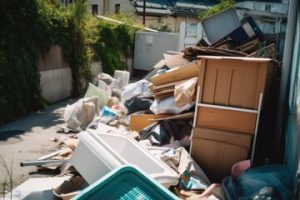
Transforming Spaces Through Rubbish Removal And Demolition

Paul’s Rubbish Removal and Demolition are reshaping how people view unused spaces. They are no longer seen as chaotic processes but as opportunities to create something better. Many now see clearing away old structures as a first step toward innovation. This perspective has changed how projects begin and end.

Rubbish Removal

One emerging idea is treating rubbish as a resource rather than waste. Materials once discarded are now sorted for potential reuse. This has inspired creative uses of timber, metals, and concrete remnants. It reduces environmental strain while sparking inventive design approaches.

Demolition has also evolved from forceful destruction to controlled deconstruction. Teams carefully dismantle parts to recover valuable components. This precision prevents excessive debris from reaching landfills. It transforms what was once purely destructive into something purposeful.

There is growing interest in combining demolition planning with urban renewal concepts. Instead of clearing everything quickly, careful staging supports phased redevelopment. This approach allows parts of a site to remain active while others are rebuilt. It keeps communities functioning even during major transitions.

Rubbish removal has become more data-driven in recent years. Teams track the types and amounts of materials extracted. This helps forecast waste patterns for future projects. It brings a new level of strategy to what was once manual labor.

An overlooked benefit of demolition is how it reveals hidden structural issues. When walls come down, weaknesses in foundations or plumbing emerge. Identifying these early prevents future hazards. It allows new construction to rise on safer ground.

Rubbish removal also plays a role in mental clarity during renovations. Clutter can overwhelm decision-making and slow progress. Clearing it out creates a clean slate that sparks creativity. This psychological boost is often underestimated yet powerful.

New technology has introduced remote-controlled demolition tools that enhance safety. Workers can operate machines from a distance, reducing risk in unstable zones. This allows precise dismantling in confined or hazardous areas. It has become a quiet revolution in the field.

Sustainability is becoming central to both rubbish removal and demolition. Teams now prioritize separating recyclable and reusable materials on-site. This cuts down on landfill loads and supports circular economies. It also aligns projects with growing environmental standards.

Some specialists now integrate artistic thinking into clearing spaces. They view demolition as sculpting, removing only what blocks beauty or function. This selective approach preserves elements worth keeping. It gives old structures a second life within new designs.

There is rising interest in timing demolition around seasonal patterns. Teams plan heavy removals when weather reduces dust spread or noise impact. This minimizes disruption to surrounding areas. It shows how thoughtful scheduling can support community well-being.

Rubbish removal is also shifting toward modular container systems. Waste is sorted into portable units for quick transport and processing. This reduces site congestion and speeds up clearing. It helps maintain smooth workflows in complex environments.

Another trend is combining demolition with soil rehabilitation. After clearing, teams restore soil quality for future use. This prevents long-term ground degradation and supports new landscaping. It turns empty sites into fertile ground for renewal.

Many projects now include digital mapping before demolition begins. Laser scans reveal the exact structure of buildings and buried utilities. This prevents accidental damage and costly delays. It brings precision to every stage of the process.

Rubbish removal is becoming more community-inclusive as well. Residents are invited to reclaim usable items before disposal. This reduces waste and strengthens local ties. It turns clearing into a shared opportunity rather than a disruption.

Some innovators are exploring zero-waste demolition strategies. They aim to divert nearly all materials from landfills. This involves extensive sorting, cataloging, and repurposing. It is challenging but pushes the industry toward a greener future.

Demolition has even inspired new methods for capturing construction dust. Specialized barriers and misting systems contain particles during tear-downs. This protects nearby air quality and improves worker health. It reflects growing awareness of environmental responsibility.

There is also a growing emphasis on noise-conscious techniques. Silent hydraulic tools replace loud explosives or heavy impacts. This reduces stress for nearby residents and wildlife. It shows how human-centered design can reach even demolition work.

Rubbish removal companies are beginning to use electric-powered vehicles on-site. This reduces emissions and noise while hauling debris. It fits with broader shifts toward cleaner construction practices. It proves sustainability can align with efficiency.

A fascinating development is the use of demolition as an archaeological opportunity. Teams document and preserve historical elements uncovered during clearing. These artifacts are studied or integrated into new builds. It connects the past to the future within one site.

Rubbish removal is also gaining a role in emergency resilience planning. Rapid clearing systems are prepared for post-disaster scenarios. This ensures communities can rebuild quickly after damage. It transforms a simple service into a safeguard.

Some demolition projects now include habitat relocation planning. Wildlife present on sites is identified and safely moved. This prevents unnecessary harm while clearing space for development. It balances human needs with ecological care.

Rubbish removal has seen innovations in on-site compaction. Machines compress materials for more efficient transport. This reduces trips needed and cuts fuel usage. It also speeds up the overall timeline of projects.

Another rising idea is using demolition debris as temporary art installations. Artists collaborate with teams to create pieces from salvaged fragments. These installations honor the site’s history before it changes. They bring beauty to moments of transition.

Demolition planning increasingly factors in vibration impact on surrounding structures. Sensors monitor nearby buildings to avoid damage. This protects neighbors while work progresses. It reflects growing sensitivity to shared spaces.

Rubbish removal services are also integrating real-time tracking for transparency. Clients can follow exactly where their waste goes. This builds trust and ensures accountability. It turns an unseen process into something visible and ethical.

Some demolition projects are experimenting with selective interior removal. Only outdated inner layers are stripped while outer shells stay intact. This keeps architectural heritage alive while modernizing interiors. It merges conservation with innovation.

Rubbish removal teams are collaborating more closely with designers from the start. Knowing future plans helps them decide what to salvage. This creates smoother transitions between clearing and building. It bridges the gap between destruction and creation.

Even the psychology of sound is being studied in demolition planning. Calmer soundscapes reduce stress for workers and nearby residents. This attention to emotional impact enhances overall well-being. It shows how soft factors influence hard labor.

Rubbish removal has also sparked creative community events. Some projects host farewell gatherings before clearing begins. This gives locals closure and celebrates shared memories. It transforms a disruptive act into a meaningful experience.

Demolition teams are increasingly using drones for aerial inspections. Drones map dangerous areas without risking human safety. They capture detailed visuals that guide precise removal. This adds a new dimension to safety and planning.

There is a growing effort to design buildings with future demolition in mind. Materials are assembled for easy disassembly later. This reduces future waste and cost when buildings outlive their use. It redefines how permanence is viewed in construction.

Rubbish removal has inspired circular business models centered on material recovery. Items once discarded are resold or remanufactured. This creates new revenue streams and reduces environmental strain. It makes clearing projects economically sustainable.

Some demolition projects are embracing energy recovery from debris. Certain materials are processed to generate usable heat or power. This turns waste into a temporary resource. It shows how destruction can fuel creation.

Rubbish removal systems now sometimes include bio-based packaging for collected materials. These compostable wraps replace plastic liners. They reduce microplastic pollution from the process. It aligns cleanup with ecological responsibility.

Demolition is also influencing interior design trends by encouraging adaptive reuse. Pieces of old structures are showcased as design features. This adds character while honoring the past. It keeps history alive inside modern spaces.

Rubbish removal has inspired time-lapse documentation for educational use. Videos show how spaces evolve from cluttered to clear. These visual records train new workers and engage communities. They turn routine work into learning tools.

Some demolition teams are experimenting with noise-powered energy recovery. Vibrations from tearing down walls generate small amounts of electricity. Though early in development, it shows creative thinking in the field. It blends innovation with sustainability.

Rubbish removal is increasingly used to support temporary pop-up spaces. Cleared lots host short-term events or markets before redevelopment. This maximizes site value during waiting periods. It brings life to spaces that would otherwise sit idle.

Demolition has even sparked wellness-centered scheduling experiments. Teams align work hours with natural light to reduce fatigue. This increases focus and reduces accidents. It prioritizes human health alongside productivity.

Rubbish removal is becoming part of digital twins in project planning. Virtual models include real-time waste tracking for accuracy. This integration sharpens decision-making for builders. It fuses physical work with digital foresight.

Some demolition approaches now incorporate material storytelling. Salvaged pieces are tagged with their origins and histories. These stories are shared when materials are reused. It gives objects new meaning in their next life.

Rubbish removal has begun influencing workplace culture as well. Teams emphasize collaboration and shared responsibility. This creates pride in even the smallest tasks. It raises morale across entire projects.

Demolition’s future may lie in micro-scale robotics. Tiny machines could dismantle structures from the inside out. This would minimize disruption and improve precision. It represents a leap toward futuristic construction methods.

Rubbish removal is showing potential as a form of spatial therapy. Transforming chaotic spaces into clean slates improves emotional well-being. People feel lighter and more focused afterward. It proves physical environments shape mental states.

Demolition is gradually shifting toward regenerative thinking. Instead of ending something, it begins renewal. Materials, land, and energy cycles are designed to continue. This outlook positions demolition as the start of creation.